
Greece rewards every kind of visitor, from first-timers and couples to families, friends and solo travelers. Greece tours make that reward easier to reach, because someone else handles the roads, the tickets and the timing. Visitors get ancient temples, island harbours and long lunches by the sea, without the stress of planning each step alone.
This guide covers the main regions in turn. For each one, it explains what to see and which kinds of Greece tours people book. It also shows what comes with them, from guides to swim stops. Readers of My Greece Tours can use it to match each day out to their pace and interests.
What Can You Expect From Greece Tours In The Classical Sites?
Expect famous ruins, cliff-top monasteries and old harbour towns, joined by easy transport and a guide who brings each story to life. Most travelers see far more in a day than they could alone. Helpful planning sites such as Greece tours and Tours In Greece describe these mainland routes in clear, simple detail.
What do visitors see first in the classical sites?
The sanctuary of Delphi clings to the slopes of Mount Parnassus. Ancient Greeks believed it was the centre of the world. They came to ask the oracle, a priestess who spoke for the god Apollo, about their future. Today visitors climb past the Temple of Apollo to a theatre and stadium with mountain views.
In the north, the monasteries of Meteora perch on tall rock pillars. Monks once reached them by rope ladders and baskets, and several still house monks and nuns. Further south, the citadel of Mycenae greets visitors with its Lion Gate. Legend links this fortress to King Agamemnon, leader of the Greeks at Troy.
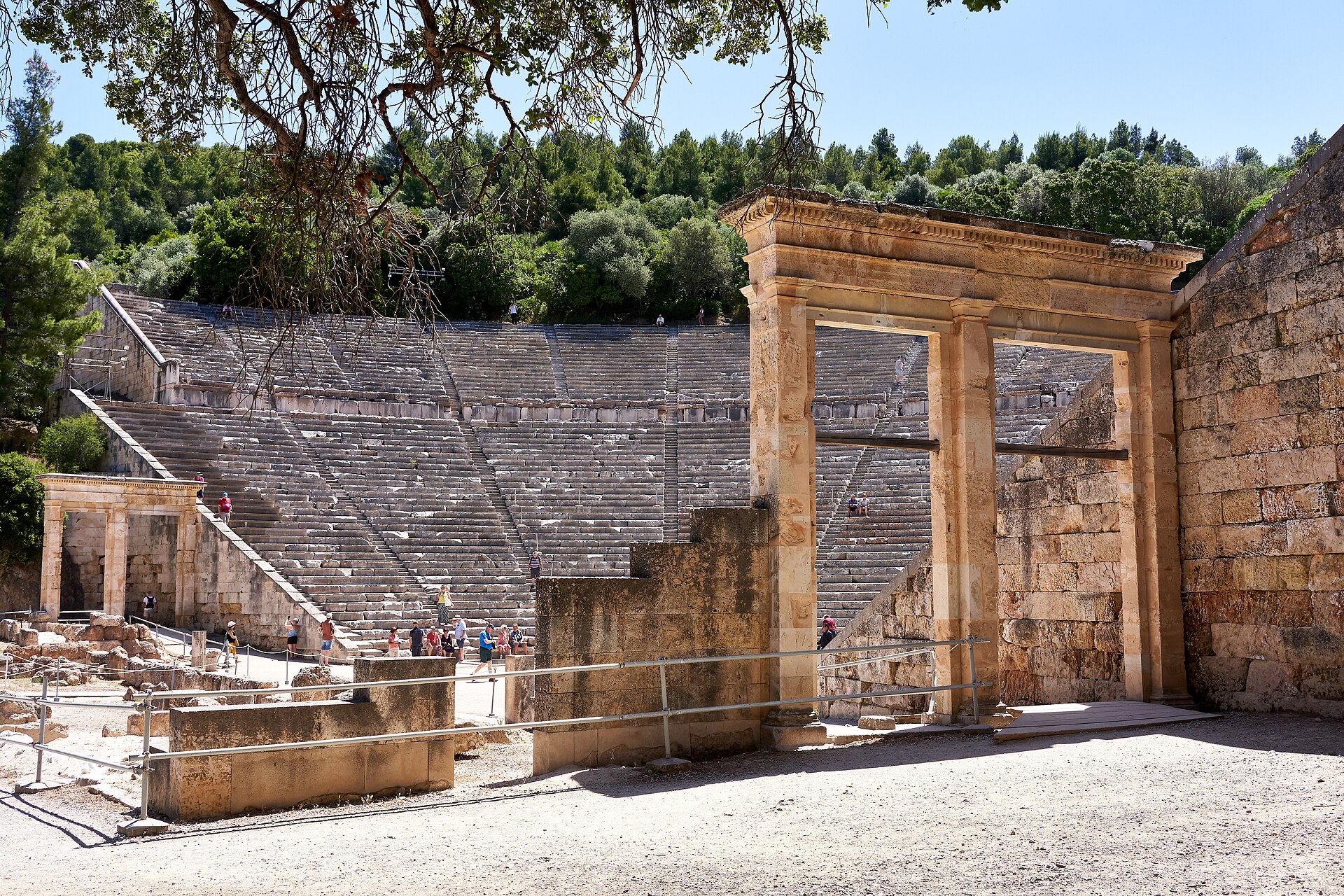
Epidaurus has an ancient theatre with sound so clear that a whisper on stage reaches the top rows. Nearby Nafplio, once the capital of modern Greece, offers castle walls and sweet shops by the harbour. Ancient Olympia, birthplace of the Olympic Games, keeps its stadium. Ships squeeze through the narrow, steep-walled canal at Corinth.
How do Greece tours get you around the classical sites?
Full-day trips from Athens by coach suit first-time visitors who want Delphi or Mycenae without driving. The coach leaves the city early and returns by evening, so travelers sleep in the same hotel. Small-group tours suit couples and solo travelers who prefer a quieter van, more time with the guide and a slower pace.
Guided walking tours work well inside big sites such as Olympia and Delphi. The guide points out details that most visitors miss. Families with older children enjoy these walks, because the stories keep everyone curious. Other travelers simply buy entry tickets and explore at their own pace, reading signs and resting when they like.
Multi-day tours with hotel nights suit travelers who want to see the whole region in one smooth trip. A common route links the Corinth canal, Mycenae, Epidaurus, Nafplio and Olympia, then heads north to Delphi and Meteora. Bags travel with the coach, so nobody drags luggage between towns. Relaxed travelers love this unhurried style.
What is covered on Greece tours in the classical sites?
A licensed guide is the most valuable part of Greece tours to these sites. Licensed guides study history and archaeology before they can lead visitors inside the ruins. They turn piles of stone into living places, explaining who prayed, traded or fought there. A local guide knows where to find shade and quiet viewpoints.
Entry tickets are often part of Greece tours, which saves time at busy gates. Travelers skip the ticket queue and walk straight in behind the guide. That matters at Delphi and Olympia, where lines grow long on warm mornings. Prepaid entry also means fewer things to sort out, which suits first-timers and families.
On multi-day trips, hotel nights come included, so travelers do not need to book rooms in each town. Hotels sit close to the sites, which cuts travel time and frees up the evenings. Couples enjoy a sunset walk through Nafplio, while families can rest early before the next morning brings another famous ruin.
How do you make the most of the classical sites?
Start early, because the sites are cooler and calmer in the morning. Wear sturdy shoes with good grip, since ancient paths are uneven and marble steps get slippery. Bring a hat, sunscreen and a refillable water bottle. Most sites have little shade, and the Greek sun feels strong even outside the hottest months.
At Meteora, the monasteries ask visitors to cover their shoulders and knees, and women should wear a skirt. Wraps are lent at the door when needed. A small backpack keeps hands free for photos and railings. Read a short myth before each visit, because knowing the story makes the ruins far more exciting.
What Do Greece Tours In Athens Offer Visitors?
Greece tours in Athens offer world-famous ruins, lively old streets and easy trips to the coast. Everything sits within reach of a central hotel, and a guide links each stop into one clear story. Food lovers and beach lovers find plenty to enjoy as well, from cooking classes to boat cruises with swim stops.
What do visitors see first in Athens?
The Acropolis rises above the city like a stone crown. On top stands the Parthenon, a marble temple built for Athena, goddess of wisdom and protector of the city. Beside it, the Erechtheion is famous for its Caryatids. These are statues of young women that hold up a porch roof in place of columns.
The Acropolis Museum below keeps the real Caryatids safe indoors. Its glass floors look down on an ancient neighbourhood. This gem ranks high among the must-see museums in Athens. The Ancient Agora was the old marketplace, where Socrates once argued. The giant columns of the Temple of Olympian Zeus stand close by.
Plaka and Monastiraki fill the streets below with small tavernas, souvenir shops and a busy flea market. For the best view over the whole city, visitors ride or walk up Lycabettus Hill at sunset. Further out, the Temple of Poseidon at Cape Sounion stands on a cliff above the sea, glowing gold at dusk.
How do Greece tours get you around Athens?
Guided walking tours are the classic way to see the Acropolis, the Agora and Plaka in one morning. They suit first-timers and solo travelers who want facts and company at a modest cost. Families like them too, since the guide sets an easy pace and keeps young walkers interested with myths and stories.
Private tours with a driver-guide are ideal for Cape Sounion and the coast road south of the city. These are priced per booking, not per seat, so they make sense for families and friends travelling together. Couples also choose private trips for the freedom to stop at any beach or café along the way.
Boat cruises with swim stops leave from the Athens coast and visit quiet bays and nearby islands. Some sail with a private skipper, which suits honeymooners and anyone who wants a quiet day afloat. Food lovers book cooking classes and wine tastings in the city instead, learning to make classic dishes beside a local cook.
What is covered on Greece tours in Athens?
On the sightseeing side, a licensed guide is the key extra on Greece tours here. Guides explain how temples were built and where each statue once stood. They also reveal why the Parthenon looks so straight, even though its lines curve slightly. A local guide shares tips on the best tavernas and quiet corners.
Boat trips near Athens often include lunch or a BBQ meal on board, plus soft drinks, wine or beer. On some cruises, drinks are unlimited, which pleases friends celebrating a special day. Swim stops in clear bays give everyone a break from the city heat, and children love jumping straight off the deck.
Cooking classes end with a shared meal, and many add wine tastings with Greek grapes that few visitors know. These tastings matter because guests learn which wines match which dishes. Everyone also leaves with recipes to cook at home, which turns a single afternoon into a lasting and tasty memory of Athens.
How do you make the most of Athens?
Visit the Acropolis at opening time or in late afternoon, when crowds thin and the light turns soft. The marble paths are polished and slippery, so wear shoes with good soles. Carry water, a hat and sunscreen, because there is little shade on the hill. Save museums for the hottest part of the day.
For Greece tours by boat, pack a swimsuit, a towel and a light cover-up for the ride home. Seasickness tablets help sensitive travelers on windy days. Book Cape Sounion for late afternoon to catch the sunset at the temple. In Plaka and Monastiraki, keep bags zipped and close, since busy lanes attract pickpockets.
What Are The Best Greece Tours In Crete, Rhodes And Corfu?
The best Greece tours here mix ancient palaces, castle towns and boat trips to bright lagoons and sea caves. Each island has its own character, so it pays to choose by interest. History fans head for Knossos and the old town of Rhodes, while beach lovers chase the clear blue water of Balos and Zakynthos.
What do visitors see first in Crete, Rhodes and Corfu?
On Crete, the palace of Knossos was the heart of the Minoan world, among the oldest civilisations in Europe. Legend links it to King Minos and the Minotaur, a half-bull monster kept in a maze. In Heraklion, the museum holds the palace’s colourful wall paintings. Chania charms visitors with its Venetian port and old lighthouse.
Balos lagoon, in the northwest of Crete, has shallow turquoise water and pink-white sand. On Rhodes, the Street of the Knights runs through a walled medieval old town, lined with stone inns where knights once lived. Down the coast, the acropolis of Lindos crowns a cliff above a white village and a blue bay.
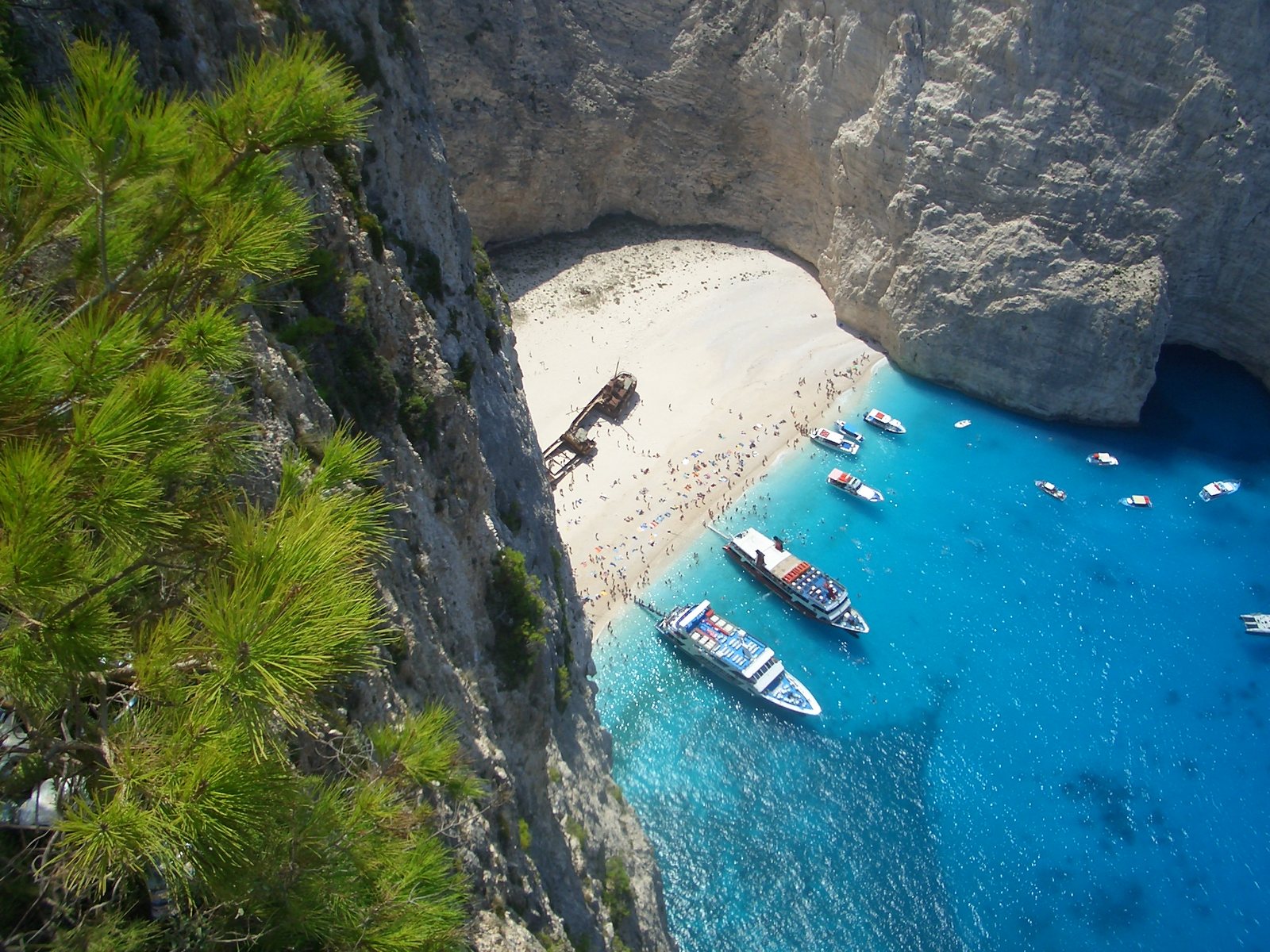
Corfu Town sits between an Old Fortress and a New Fortress, both shaped by Venetian rulers to stop attacks. Between them lie elegant arcades and narrow lanes full of cafés. Further south, boats from Zakynthos glide into the Blue Caves, where sunlight shining through the water paints the cave walls a glowing blue.
How do Greece tours get you around Crete, Rhodes and Corfu?
Boat cruises with swim stops are the easiest way to reach Balos and the Blue Caves. Larger boats suit families on a budget, with shaded decks and space to move. Friends and couples who want more freedom can hire a private skipper, who picks quiet coves and changes the route to suit the weather.
Private tours with a driver-guide are priced per booking rather than per person, so they work well for families sharing one car. They make long island roads simple, linking Knossos with mountain villages or Lindos with hidden beaches. Couples like this option for honeymoon trips, since the whole day follows their own rhythm.
Many travelers also pass through the capital, so full-day trips from Athens by coach can fill a free day before an island flight. They suit first-timers who want mainland highlights without extra planning. Back on the islands, cooking classes and wine tastings in Cretan villages show how local olive oil, herbs and cheese come together.
What is covered on Greece tours in Crete, Rhodes and Corfu?
Boat cruises here often include lunch or a BBQ meal, grilled and served on deck or on a quiet beach. Drinks come with the meal, and on some party-style cruises they are unlimited. Several swim stops let travelers cool off in clear water. That matters on hot days, when the sun beats down hard.
At Knossos and Lindos, a licensed guide makes Greece tours far richer. The ruins look confusing without help. A guide explains the myths, the rooms and the daily life of the people who lived there. Local guides also add island stories, such as how families still make cheese and raki in the hills.
Free time to explore is another valuable extra. Good Greece tours leave space to wander the harbour in Chania, shop in the old town of Rhodes or simply swim at Balos. Many village visits end with wine tastings, where travelers sample local reds and whites while hearing how the grapes are grown and picked.
How do you make the most of Crete, Rhodes and Corfu?
Book boat trips early in the day, before the wind picks up in the afternoon. Bring a swimsuit, towel, sunscreen and water shoes, since some beaches and coves have pebbles or rocks. A dry bag keeps phones and cameras safe on choppy rides. Travelers who get seasick should sit near the middle of the boat.
At Knossos and Lindos, arrive early to beat both the heat and the crowds. Lindos has a steep path to the top, so comfortable shoes matter more than style. Leave time after each tour to stroll the old towns at dusk, when the stone streets cool down and the cafés fill with locals.
How Can You Get More From Greece Tours In The Aegean Islands?
Travelers get more by pairing a famous sunset with a boat day, a swim and a taste of island food. Choosing the right tour style for each island makes every day feel easy. Short, frequent ferry hops connect many islands, so Greece tours here easily mix calm villages, lively beaches and quiet coves.
What do visitors see first in the Aegean islands?
On Santorini, crowds gather in Oia to watch the sun sink behind white houses and blue domes. Boats also sail into the flooded volcano, where visitors hike across black lava to the crater. Next comes a swim to the hot springs, where warm water stained orange by iron bubbles up from below.
Mykonos pairs famous windmills and the waterfront of Little Venice with beaches for every mood, from party bars to calm coves. A short boat ride away lies ancient Delos, which myths name as the birthplace of the god Apollo. The whole island is an open-air museum, with marble lions facing a dry sacred lake.
On Milos, the white rocks of Sarakiniko look like the surface of the moon, shaped by wind and waves into smooth curves. Naxos welcomes ferries with the Portara, a giant marble gateway from an unfinished temple. On Paros, the hill village of Lefkes rewards visitors with marble paths, quiet squares and wide views.
How do Greece tours get you around the Aegean islands?
Boat cruises with swim stops are the heart of island touring, linking the volcano, hot springs and quiet bays. They suit almost everyone, from families to solo travelers. Couples planning a special evening like to book a private skipper for a sunset sail. A single price covers the whole booking rather than each seat.
Small-group tours suit travelers who want company and a guide without a crowd, such as island drives that visit Oia, wineries and villages. Private tours with a driver-guide give families and friends a car of their own. Snorkel and beginner scuba trips welcome curious first-timers, with instructors teaching every step in shallow, calm water.
Cooking classes and wine tastings suit food lovers, especially on Santorini, where vines are twisted into low basket shapes against the wind. Visitors based in the capital with no time for an overnight stay can join full-day trips from Athens by coach and ferry. These Greece tours give a first taste of island life.
What is covered on Greece tours in the Aegean islands?
Most island cruises include lunch or a BBQ meal, often cooked on board while guests swim. Greek salad, grilled meat or fish and warm pita are common choices. Water, soft drinks and local wine come with the meal. Some cruises make drinks unlimited, which helps a lot on hot, sunny days at sea.
Crews hand out snorkel gear on board, so nobody needs to pack masks or fins. They show beginners how to fit the mask and breathe through the tube before anyone enters the water. Swim stops come at the hot springs, sandy coves and rocky bays, giving each guest plenty of chances to cool off.
Wine tastings are a highlight of Greece tours on Santorini, where volcanic soil gives local whites a crisp, salty taste. Guests sample several wines and learn how island farmers protect their vines from strong winds. These tastings matter because they show a side of island life that beach visitors rarely see, and suit relaxed evenings.
How do you make the most of the Aegean islands?
Reach Oia well before sunset, because viewpoints near the castle ruins fill up quickly. For boat days, pack a swimsuit, towel, sunscreen, hat and old trainers for the rough volcanic paths. The Aegean wind can make the sea choppy, so travelers who feel seasick should pick morning departures, when the water is calmer.
Book ferry seats and tours early in summer, since the most popular days fill fast. Carry a light jacket for windy evening sails. On Delos, bring water and a hat, because the island has almost no shade. A refillable bottle and reef-safe sunscreen help protect the islands that make these trips so special.
Conclusion: Best Greece Tours, Planned Well
Greece rewards curious travelers in every region, from the oracle at Delphi to the sunsets of Oia. The best Greece tours match the traveler: walking tours for history fans, boat cruises for swimmers and cooking classes for food lovers. Mixing a few styles keeps each day fresh and helps every visitor see more.
Before booking, compare what each trip includes, from guides and tickets to meals and swim stops. A clear guide to choosing the right Greek tour helps travelers weigh comfort, pace and interests. Book early in summer. With a little planning, Greece tours turn a holiday into a string of easy, unforgettable days.
Frequently Asked Questions About Best Greece Tours
Do Greece tours include lunch?
Many boat cruises and full-day Greece tours include lunch or a BBQ meal, often with drinks. Walking tours and site visits leave lunch to the traveler, which gives time to try a local taverna. Always check the tour details before booking, so nobody ends up hungry halfway through a long and busy day.
Can you change Greece tours after booking?
Many tours allow free changes or cancellation until a set time before the start, but later changes are harder to arrange. Travelers with flexible plans should pick Greece tours with clear, generous cancellation terms. Check those terms closely before paying, especially for boat trips that depend on the weather and the sea.
Do Greece tours include hotel pickup?
Many full-day trips and private Greece tours offer pickup from central hotels or a nearby meeting point in town. Walking tours start at a set meeting place, such as a metro station or the site gate. The booking confirmation explains where to wait, what to look for and how early to be ready.
Do Greece tours run in all weather?
Land tours run in sun and light rain, though some sites close at midday during extreme summer heat. Boat cruises are different, because strong winds can make the sea rough and unsafe for swimming and sailing. When a captain cancels for weather, travelers get a new date or a full refund without any fuss.
Can Greece tours start from a cruise port?
Yes, many Greece tours meet passengers right at the cruise port, including Piraeus, Heraklion, Rhodes, Corfu and Santorini. Guides plan the route around the ship’s timetable, so guests return well before boarding closes. This makes port days far easier and calmer for first-time visitors, couples and families who want to see the highlights.
Are Greece tours good value?
Yes, Greece tours are good value for most travelers. A single booking covers transport, a guide and often tickets, meals or swim stops, which take time, effort and research to arrange alone. The greatest value lies in the stories, local tips and stress-free days that come with a friendly expert close at hand.
How do you find the meeting point for Greece tours?
Travelers find the meeting point for Greece tours by reading the booking email, saving the exact spot on a phone map and arriving early. Meeting points often sit near a famous square, a metro exit, a port gate or a hotel lobby. A quick check the night before keeps the morning calm.
Read the booking details twice
Every booking for Greece tours comes with a message that names the meeting spot. Some name a café, a statue or a kiosk, while others share a pin on a map. Travelers should save this message offline, since phone signal can drop in narrow old town streets.
The details also show what the guide will hold or wear. A colored flag, a sign with the tour name or a bright shirt are common clues. Some guides send a text on the morning of the trip with a photo of the exact spot.
If anything looks unclear, a short message to the organizer clears it up fast. Asking the day before beats a rushed call, and a short checklist helps on the morning itself:
- The meeting spot saved offline on the phone
- The guide’s phone number or chat link
- A printed or digital ticket
- Water, a hat and comfortable shoes
- Some cash for small costs on the way
Getting there on time
Most Greece tours leave exactly on schedule, so the bus or boat will not wait for latecomers. Taxis are easy to find in larger towns, but morning traffic in central Athens moves slowly. The metro is often quicker, and this guide to public transport explains the main lines.
Day trips to the islands start at busy ports such as Piraeus, where the gates are far apart. Travelers should check which gate their boat uses before they set off. These tips for ferry travel cover port signs, tickets and boarding.
Locals gladly point the way when a traveler gets lost, especially after hearing a few words from this list of simple Greek phrases. Even a warm “kalimera,” which means good morning, starts a helpful chat.
How do you decide between private and shared Greece tours?
Travelers decide between private and shared Greece tours by weighing budget, pace and privacy. Shared tours cost less, while private tours give full control over timing and stops. Both options usually visit the same famous places with trained local guides. The right pick depends on who is traveling and what matters most to them.
When shared Greece tours make sense
Shared Greece tours suit travelers who want good value and easy plans. The guide, transport and route are already set, so there is very little to organize. Chatting with other visitors from around the world is often a fun bonus of the day.
People traveling alone like shared Greece tours, since they get company, a safe ride and a guide without paying for a whole vehicle. Couples on a tight budget also save money this way and still see the top sights.
Shared Greece tours also take the guesswork out of travel days. Pickup points, entry tickets and transport between sites are all arranged in advance, so nobody has to study bus timetables. First-time visitors in particular find this simple, organized setup very reassuring during their first days in the country.
The main trade-off with shared tours is a fixed pace through the day. Shared tours stop at set times, and the day follows a plan built for many people at once. Those who like to linger at one ruin or skip a shop stop sometimes feel rushed.
When private Greece tours are worth it
Private Greece tours cost more, but start times, lunch stops and photo breaks all follow the wishes of the guests. Families with small children enjoy this freedom, and these family travel tips help with planning.
Private Greece tours also suit travelers with special interests. A history lover can spend longer at an old temple, while a food fan can add a market visit. Older travelers or anyone with limited mobility can ask for a slower pace and shorter walks.
Friends or relatives often split the cost of a private guide. People who organize trips for others can find more ideas in this guide for trip organizers. Booking early matters, since good private guides fill their calendars in busy months.
Many travelers mix both styles, joining shared Greece tours for simple day trips and booking a private guide for one special site. This blend keeps costs sensible while still giving a few relaxed, personal days.
Why do guided Greece tours help?
Guided Greece tours help because a trained guide turns old stones into clear stories. Guides also handle tickets, timing and directions, so travelers spend their energy on enjoying each place. In Greece, only state-licensed guides may lead visitors inside archaeological sites and museums, which keeps the quality of guiding high.
Stories that bring ruins to life
Many ancient sites look like piles of broken stone at first glance. A good guide explains what stood there, who used it and why it mattered. Suddenly a bare hill becomes a busy marketplace, a holy temple or a theater full of excited people.
Guides also explain tricky words in plain language, so an agora becomes the open square where people shopped, met and argued about politics. A frieze, which is a long band of carved stone pictures, also makes more sense when someone points it out.
The best Greece tours also connect the past with daily life today. Guides point out that democracy, which means rule by the people, first took shape in ancient Athens. They also show how old stone theaters still host plays and concerts on warm summer nights.
Local guides share everyday culture as well as history. They explain name days, which Greeks celebrate like a second birthday, plus church customs and village habits. This guide to local Greek traditions adds even more ideas for curious travelers.
Less stress and better timing
Guided Greece tours take care of the hard parts of a day out. The guide knows when lines are short, where the shade is and which path avoids steep steps. Travelers simply follow along, ask questions and enjoy the scenery without constantly checking maps.
Guided Greece tours also save travelers from planning mistakes. Trying to visit distant sites on the same day, for example, wastes a lot of time on the road. A guide builds a route that flows well and still leaves time for a proper lunch break.
Good guides also know the local calendar and tell guests about feasts, music nights and fairs during their stay. These lists of seasonal events in Greece and Greek festivals by season help travelers plan ahead.
Finally, a guide is a helpful contact in a new country. If someone feels unwell or loses a bag, the guide knows who to call. That safety net gives first-time visitors real peace of mind and lets them relax.
How do you plan rest around Greece tours?
Travelers plan rest around Greece tours by leaving a free half day after each long trip and avoiding early starts on back-to-back days. Midday breaks in the shade also help. A rested traveler notices more and enjoys every stop, while a tired one remembers little beyond sore feet.
Build free time into the plan
Full-day Greece tours often start early and finish late, with plenty of walking in the sun. Booking long tours day after day wears out even fit travelers, so a slow morning by the sea between them helps.
A simple rhythm works well for most Greece tours: one busy day, then one lighter day. On the lighter day, travelers can swim, shop or sit in a café and watch daily life go by. This balance keeps the whole trip fun from start to finish.
Island Greece tours need extra care, because ferry times shape the whole schedule. A late boat can mean a late dinner and a short night. These ferry booking tips help travelers pick sailing times that leave room to rest.
Season matters for people who dislike strong heat, since summer makes long walks tiring while spring and autumn feel gentler for sightseeing. This guide on the best time to visit Greece compares weather and crowds across the year.
Use meals and evenings to recharge
Greek meals are long, relaxed and sociable, which makes them perfect resting points. A shady taverna lunch after a morning tour lets the body cool down. This guide to Greek food to try on tour explains what to order.
Many Greeks rest in the early afternoon when the sun is strongest, and travelers can copy this habit with a nap or a swim. Shops in smaller towns sometimes close at this time anyway, so little is missed.
Evenings in Greece usually begin late, and that is excellent news for tired legs. A gentle walk along the harbor or a sunset drink is enough after a busy day. Saving energy this way keeps the next day of Greece tours fresh and fun.
Which Greece tours are best in spring?
The best Greece tours in spring are walking trips, ancient site visits and village days. Mild weather, green hills and wildflowers make April and May ideal for active sightseeing. Crowds stay thinner before the summer rush, so popular places feel calm and easy to enjoy.
Hiking and wildflower Greece tours
Spring is the greenest time of year in Greece, when hillsides fill with poppies, wild herbs and blossoming fruit trees. Walking Greece tours in this season follow old mule paths between villages and along quiet coastlines, where the air smells of thyme.
Crete, the Peloponnese and the smaller Cyclades islands all offer gentle trails at this time of year. Gorge walks are especially pleasant before the summer sun bakes the rocks. This guide to the top hiking trails in Greece helps travelers choose a route.
Spring is also a good season for cycling on islands such as Naxos, Kos and Rhodes. Quiet roads, cool breezes and green fields make every ride a pleasure. Bike rentals are easy to find in tourist towns, and guided rides often finish at a village café.
Spring also brings Greek Easter, the biggest holiday of the year in Greece. Villages hold candlelit midnight services, fireworks and long family feasts with roast lamb. These traditional Greek villages show local life at its most joyful during this season.
Ancient sites before the heat
Spring Greece tours to ancient sites feel very different from summer visits. Cool mornings make it easy to climb the Acropolis, walk the old stadium at Olympia or explore the theater at Delphi. Grass and flowers grow between the old stones, which makes for lovely photos.
Many of these places are ruins, which means the remains of old buildings that time and earthquakes have broken. This practical guide to ancient ruins explains what to look for at each stop. Comfortable shoes matter, because paths are often uneven marble or gravel.
Spring weather changes fast, so a light jacket and a rain layer are smart to pack. Short showers pass quickly and leave clean, clear air behind. Those bright days after the rain are some of the best for sightseeing all year.
Spring Greece tours also cost less than peak summer trips in most places. Hotels and guides have more open dates, so travelers often get their first choice. Families traveling during Easter school breaks enjoy this easier, calmer pace.
Which Greece tours are best in early summer?
The best Greece tours in early summer are island hopping, beach days and sailing trips. June brings long sunny days, warming seas and full ferry schedules without the peak crowds of August. This is a sweet spot for travelers who love the sea, and prices stay a little lower than in high summer.
Beach and island Greece tours
Early summer is perfect for exploring the Cyclades, a ring of islands that includes Santorini, Mykonos and Naxos. The sea is calm on most days, and the strong summer wind has not yet settled in. Boat trips to hidden coves run often and feel relaxed.
Beach lovers can choose between golden sand, white pebbles and dramatic volcanic shores. This guide to the top beaches in Greece helps travelers pick the right stretch of coast. Arriving early in the morning still means quieter sand and easier parking.
Early summer days are the longest of the year, so travelers can sightsee at dawn, swim after lunch and still catch the sunset. That extra light makes island Greece tours feel generous and unhurried.
Families with young children find early summer especially easy, since the midday heat is milder than in August. Shallow sandy bays on Naxos and Paros are favorite spots for little swimmers, and the beaches are not yet crowded.
Sailing and outdoor adventures
Sailing Greece tours shine in early summer, when winds are gentle and harbors are not yet packed. A day on a sailboat means swimming stops in clear bays and lunch on deck. This simple guide to sailing holidays in Greece explains the main options.
Active travelers also find plenty to do on land and water. Popular choices include:
- Sea kayaking along cliffs and sea caves
- Snorkeling over rocky reefs and shallow bays
- Paddleboarding at sunrise on calm water
- Mountain biking on quiet island roads
- Jeep trips to remote beaches
Each of these works best in the cooler morning hours. This guide to outdoor adventure activities in Greece covers even more ideas by land, sea and air.
Which Greece tours are best in late summer?
The best Greece tours in late summer are early morning sightseeing, boat trips, sunset tours and cool museum visits. July and August are hot and busy, so smart timing matters most. Starting early and resting at midday keeps everyone comfortable, and evening tours make the most of the golden light.
Sunset and evening Greece tours
Late summer evenings are long, warm and full of life. Evening Greece tours often include a walk through an old town, a sunset view and a late dinner under the stars. The heat fades after dark, and the streets fill with families and friends.
Santorini’s cliff villages and the Temple of Poseidon at Sounion are classic sunset places. Many travelers also love quieter spots on smaller islands. This list of the best sunset spots in Greece shares plenty of beautiful choices.
The meltemi, a strong dry wind from the north, blows across the Aegean in high summer. It cools the air but can make ferry rides rough. Travelers prone to seasickness should pick larger boats on windy days.
Booking ahead matters more in late summer than at any other time of year. Popular boat trips, sunset cruises and island ferries fill up fast during the peak weeks. Reserving early secures good seats and avoids disappointment on the day.
Cool museum and city tours
Museums offer a cool break during the hottest part of the day. The Acropolis Museum and the National Archaeological Museum in Athens both hold amazing statues, jewelry and painted pottery. This guide to Greek art and museums helps travelers choose where to go.
Outdoor sites are best seen at opening time, before the stones heat up. During strong heat waves, some sites even close at midday to protect visitors and staff. Checking official notices the day before saves a wasted trip.
Heat is the main challenge on late summer Greece tours. Smart travelers carry water, wear hats and choose shaded routes through old towns. Tours that start at sunrise or end after sunset feel far more pleasant.
Late summer light is strong and harsh at noon, but soft and warm at dawn and dusk. Photographers plan their best shots around those golden hours. These photography tips for Greece tours explain how to handle bright sun, white walls and blue sea.
Which Greece tours are best in autumn?
The best Greece tours in autumn are history tours, wine and harvest trips and relaxed island visits. September and October bring warm seas, softer light and far fewer crowds. Many travelers call this the best season of all, with sunny days and pleasantly cool evenings.
History and architecture tours in mild weather
Autumn is ideal for longer Greece tours that focus on history. A classic route links Athens with Delphi, Olympia, Mycenae and the monasteries of Meteora perched on tall rock towers. The mild weather makes long site visits comfortable again.
Mycenae was the home of powerful kings in the Bronze Age, a time long before classical Athens. Its stone walls were so huge that later Greeks believed giants built them. This short guide to Greek history worth knowing puts these eras in simple order.
Old temples and theaters look their best in the low autumn sun. Guides point out columns, roof lines and clever building tricks that still impress engineers today. This guide to famous Greek architecture explains the main styles in plain words.
Autumn Greece tours to Meteora are especially beautiful, as morning mist often wraps the rock towers and the trees below turn gold. Visitors should dress modestly for the monasteries, with covered shoulders and knees.
Wine, harvest and village Greece tours
Autumn is harvest time across Greece, when grapes are picked and many wineries welcome visitors for tastings among the vines. Later in the season, families gather olives and press fresh oil for the year ahead.
Wine Greece tours to Santorini, Nemea and Crete pair local wines with simple village food. Travelers taste cheeses, olives, honey and bread baked in wood ovens. These relaxed days suit anyone who likes slow travel and good company.
Island Greece tours continue through early autumn, while the sea stays warm enough for swimming and beach bars feel calm and friendly. By late autumn, many island hotels and ferries slow down for winter, so mainland trips work better then.
Late autumn brings rain and cooler days, especially in the north and the mountains. Even so, city Greece tours in Athens and Thessaloniki carry on happily all year. Museums, markets and warm tavernas make wet afternoons cozy rather than gloomy.
Which places do Greece tours visit?
Greece tours visit sunny Aegean islands, famous ancient sites on the mainland and large islands with long histories. Most trips start in Athens and then head to the sea or the mountains. Each region shows a different side of the country. Many travelers combine more than one region in a single trip.
Islands
The Cyclades are the classic picture of Greece, with white houses, blue doors and windmills on dry hills. Greece tours here focus on beaches, boat trips, village walks and famous sunsets. Ferries link the main islands, so travelers can easily visit more than one on a single trip.
- Mykonos, known for windmills, lively beaches and a stylish harbor town
- Naxos, known for long sandy beaches and a giant marble temple doorway
- Paros, loved for pretty fishing villages, windy bays and easy ferry links
- Milos, famous for colorful volcanic rocks and the moon-like Sarakiniko beach
- Ios, known for golden beaches, a hilltop village and lively nights
Mainland
The Greek mainland holds many of the most important ancient sites in the country. Greece tours on the mainland mix history, mountain views and long scenic drives through olive country. Several of these places are easy day trips from Athens, while others suit an overnight stay.
- Athens, the capital, home to the Acropolis and lively old neighborhoods
- Meteora, where old monasteries sit on top of giant rock towers
- Olympia, the birthplace of the ancient Olympic Games and their stadium
- Mycenae, a hilltop fortress of ancient kings, entered through the Lion Gate
- Epidaurus, known for an ancient stone theater with amazing natural sound
Large islands
Greece’s large islands feel like small countries of their own, with high mountains, busy towns and countless beaches. Greece tours here often last several days, since there is so much to see and taste. Each island has its own food, music and proud local character.
- Crete, the largest island, with the ancient palace of Knossos and deep gorges
- Rhodes, famous for a walled old town built by knights long ago
- Kefalonia, known for a cave lake, green mountains and bright Myrtos beach
- Zakynthos, home to Shipwreck Beach, blue sea caves and nesting sea turtles
How do you plan Greece tours over four days?
Travelers plan Greece tours over four days by giving Athens the first day and a mainland site the second. The last two days go to an island. This mix shows ancient history, mountain scenery and the sea, while keeping travel time short.
Day one: Athens and the Acropolis
Athens is the natural starting point, since most international flights land there. Greece tours of the city usually begin early at the Acropolis, the rocky hill crowned by the Parthenon temple. Early morning visits beat both the summer heat and the biggest crowds of the day.
After the Acropolis, a short walk leads to the Acropolis Museum, which displays statues and carvings from the hill. The old Plaka district below offers narrow lanes, small shops and family tavernas. Lunch there is a relaxed way to rest tired legs.
The afternoon suits the Ancient Agora, the old marketplace where Athenians met, traded and debated. Its Temple of Hephaestus is one of the best-kept Greek temples anywhere. Later, a sunset walk up Lycabettus Hill or Philopappos Hill gives wide city views.
First-time visitors often feel tempted to see everything in Athens on day one. A calmer plan picks the Acropolis, one museum and one neighborhood, then leaves room for rest. The city will still be there at the end of the trip.
Evenings in Athens are lively, warm and long, especially in summer. Rooftop bars face the lit-up Acropolis, and neighborhoods like Psyrri fill with music and street food. An early night still matters, since day two starts in the morning.
Day two: a mainland day trip
The second day of Greece tours often heads out of the city to a famous mainland site. Delphi is a top choice, as the ancient Greeks saw it as the center of the world. Its temple ruins and theater sit high on a mountain slope above olive groves.
Delphi was home to an oracle, a priestess people believed could share messages from the god Apollo. Kings and ordinary people traveled from far away to ask her questions. A good guide brings these old stories to life while walking among the ruins.
Another popular choice is the Peloponnese, a large peninsula, or piece of land almost surrounded by sea, southwest of Athens. A single day covers the Corinth Canal, the theater of Epidaurus and the fortress of Mycenae. The seaside town of Nafplio makes a lovely stop for coffee or ice cream.
Meteora is a third option for travelers happy with a longer journey. The trip from Athens is long, so an overnight stay in the town below works better than a rushed day trip. Its monasteries perch on tall rock towers and feel almost unreal at sunset.
Both day trips involve long drives, so comfortable clothes, snacks and a charged phone help. Water, a hat and sunscreen matter at open-air sites, where shade is rare. Returning to Athens in the evening leaves the next morning free for the island journey.
Days three and four: island time
The last two days of Greece tours belong to the sea. Fast ferries from Piraeus or Rafina reach islands such as Mykonos, Paros or Naxos, while short flights serve Santorini and Crete. Taking an early boat gives a full first afternoon on the island.
Island days mix beach time, village walks and a boat trip around the coast. On Naxos, travelers can see the giant marble doorway of an unfinished temple. On Santorini, the cliff towns of Fira and Oia look down into a flooded volcano crater.
Those who wish to see two islands can learn the basics of Greek island hopping before booking. Most Cyclades islands sit close together, so ferry rides between them are fairly short. Even so, one island is often enough on a four-day trip.
A closer option for a short trip is a Saronic island such as Aegina or Hydra, reached by ferry from Piraeus. Hydra has no cars at all, so donkeys and small water taxis do the work. These islands make an easy and peaceful end to Greece tours over four days.
Travelers with more time can stretch this plan into a full week. This week-long Athens, Santorini and Mykonos itinerary shows how to add more islands. For a flexible trip, this guide to self-guided itinerary planning explains how to set a comfortable daily pace.
More questions about Greece tours
Travelers often ask the same practical questions before booking Greece tours, from tipping to photo stops and access for wheelchairs. The short answers below cover the most common ones, so planning feels easier and clearer.
Is tipping expected on Greece tours?
Tipping is not required on Greece tours, but a small tip for a guide or driver who did well is welcome. Travelers usually hand it over in cash at the end of the day. The amount is a personal choice and depends on the length and quality of the tour.
Do Greece tours stop for photos?
Yes, Greece tours build photo stops into the day, especially at viewpoints, temples and famous beaches. Guides often point out the best angles and offer to take pictures of couples, friends and families in front of famous views. Drones, however, are not allowed at archaeological sites without special permission.
Do Greece tours run in English?
Yes, almost all Greece tours run in English, and many also offer other languages such as French, German, Spanish or Italian. Licensed Greek guides study hard for their job and often speak several languages fluently. Travelers who need a specific language should request it when booking, since those tours fill up quickly.
Are Greece tours suitable for wheelchair users?
Some Greece tours suit wheelchair users well, especially private tours with adapted vehicles and city routes on smooth paths. The Acropolis has a lift for visitors with limited mobility, but many other ancient sites have rough, uneven ground. Asking about access before booking helps travelers choose the right tour.
What happens if weather cancels Greece tours?
When weather cancels Greece tours, providers usually offer a new date or a full refund, depending on their booking terms. Strong winds are the most common reason, since the coast guard can stop boats from sailing in rough seas. Checking the cancellation policy before paying avoids surprises later.
Can you thank a guide on Greece tours?
Yes, travelers can thank a guide on Greece tours with warm words, a small tip or a kind online review after the trip. Guides value personal thanks, because their work depends on happy guests. Even a simple “efcharistó,” the Greek word for thanks, brings a big smile.
See more in Apofrakseisanagnostou: